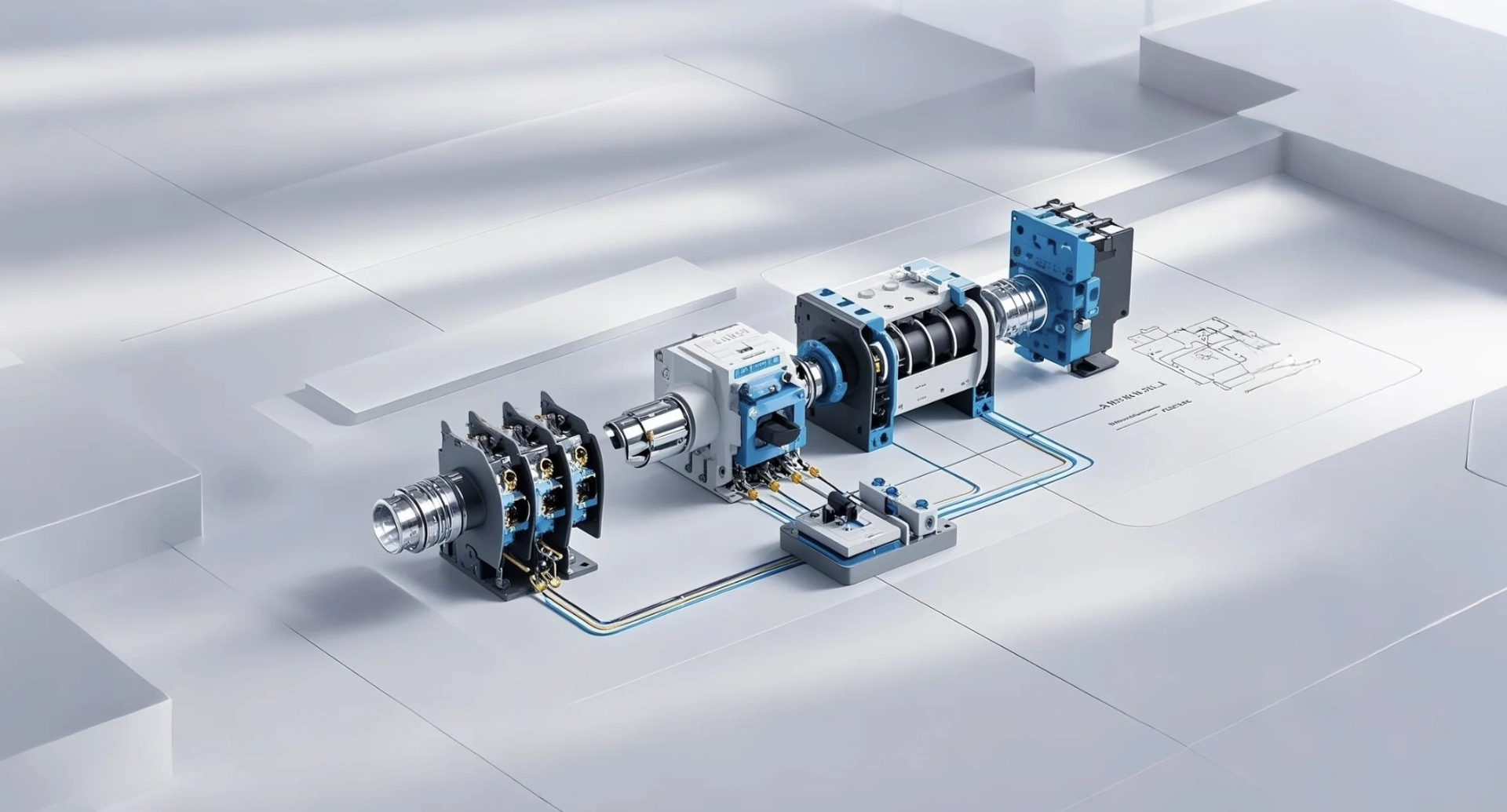
B2B Procurement Guide for Custom Manufacturing Services, Distribution Agency Services, Thermal Management Solutions, and Electrical Safety Equipment
Senior engineers, procurement managers, and operations directors face rising product complexity, fragmented supply networks, and strict compliance mandates. This guide provides a comprehensive framework to select and manage suppliers for custom manufacturing services, distribution agency services, thermal management solutions, and electrical safety equipment. For an overview of capabilities and industry solutions, visit AI Commodities.
We detail practical steps from defining specifications and verifying certifications to structuring OEM/ODM workflows and building resilient distribution channels. You can explore product categories and configurations aligned to these strategies on the products catalog. This guide will answer critical questions like how to minimize MOQ constraints, how to evaluate thermal interface materials for long-term reliability, and how to negotiate electrical safety test plans that meet global standards.
Procurement Objectives and Risk Framework
Before engaging suppliers, establish measurable objectives across performance, compliance, and delivery. For custom manufacturing, define materials, tolerances, cosmetic grades, functional test coverage, and packaging standards. For distribution agency services, specify territory rights, marketing material needs, service-level response times, and inventory buffers. Thermal management solutions require clear targets for thermal conductivity, compression range, electrical isolation, oil bleed limits, and operating temperature windows. Electrical safety equipment mandates certification pathways, test methods, and regional voltage compatibility.
Adopt a risk framework covering design manufacturability, supply continuity, quality drift, certification delays, and after-sales support. Align incentives around NO MOQ small-batch validation, 5–7 days rapid sampling, and zero inventory risk where automatic supply-chain clearing is possible. Use evidence-based supplier selection by validating in-factory processes, material control, and traceability. When negotiating terms, include escalation paths, retest provisions, and change-management clauses to protect schedule and compliance.
Vendor Qualification and Compliance Criteria
Supplier qualification must blend capacity assessment with regulatory diligence. For manufacturing services (CNC machining, injection molding, sheet metal fabrication, and 3D printing), evaluate machine capability, toolroom stability, preventive maintenance practices, and in-process quality checks. For distribution partners, assess local market reach, marketing enablement, training coverage, and logistics reliability. Thermal management vendors should demonstrate material pedigree, formulation stability, and process consistency; electrical safety providers must show test lab credentials and certification experience.
Anchor compliance to recognized standards and organizations: ISO quality management (see ISO 9001 Quality Management), EU REACH chemical regulation (ECHA REACH), UL safety certification (UL), IEC electrical safety (IEC), EU environmental directives (European Commission Environment), and third-party testing services (SGS). Require documented conformity, traceable test reports, and change-control governance for any material or process updates.
OEM/ODM Process Flow and Service-Level Agreements
OEM/ODM suppliers should provide design and engineering support to turn concepts into manufacturable products. A robust process includes: requirements definition, detailed design for manufacturability (DFM) and tooling review, sample fabrication with aesthetic and functional validation, final production release, and global logistics. Incorporate packaging customization and logo localization to streamline launch readiness. For capabilities and approach, see the company overview on About Us.
Service-level agreements should fix response times for DFM feedback, sample lead times, production slot reservation, yield thresholds, and logistics milestones. Integrate acceptance criteria for cosmetic grades, dimensional checks, functional tests, and stress screening as applicable. The steps below illustrate a best-practice OEM/ODM procurement flow:
Thermal Management Solutions Selection (TP Series Thermal Silicone Pads)
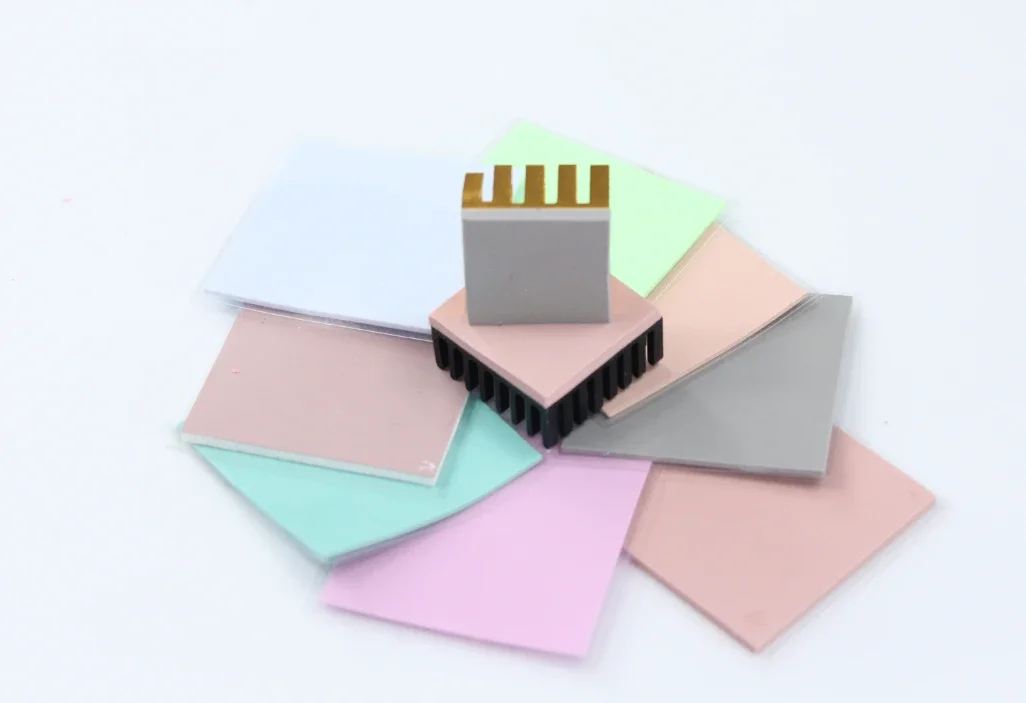
When evaluating thermal management solutions, define the heat path, contact pressure, and mechanical stack-up. The TP series thermal silicone pads offer thermal conductivity from 1.0–15.0 W/m·K, hardness 20–80 Shore 00, thickness 0.5–10.0 mm (customizable), and operating temperature of −40°C to 200°C. Materials are compliant with ROHS, REACH, and UL, featuring low volatility, low oil bleed, excellent insulation, and high compressibility. By filling the gap between CPU/memory and the enclosure, they form an effective heat spreader that stabilizes system operation under sustained load.
For camera modules and optical systems, oil-control performance is critical: the TP series minimizes silicone migration to prevent lens contamination, preserving imaging quality. High-temperature resilience up to 200°C supports continuous operation for high heat-flux applications. Services include custom die-cutting for exact module fit, multi-language support (English, Spanish, French, German), voltage compatibility at 110V/230V for related equipment, compliant packaging, global logistics, and lifetime technical support. Validate thermal targets via steady-state tests, transient response characterization, and compression set measurements aligned to your mechanical envelope.
Electrical Safety Equipment: Specification, Certification, and Test Planning
Electrical safety procurement must harmonize regional standards and certification workflows. Define operating voltage ranges (110V/230V), insulation resistance, creepage and clearance distances, earth continuity, dielectric withstand tests, and environmental stress testing. Require documented compliance with UL and IEC standards, test plans aligned to product class, and traceable lot-level certification. Incorporate materials selection with flame resistance and insulation ratings, and include packaging and labeling that reflect regulatory requirements.
Coordinate with accredited labs and certification bodies to schedule pre-compliance reviews, formal certification, and factory audits. Embed change control to re-validate if materials or PCB stack-ups change. Use third-party verification (e.g., UL, IEC, SGS) and environmental regulation references (e.g., REACH, EU Environment) to ensure global market access and robust compliance documentation.
Distribution Agency Services and Partner Program Structure
Successful distribution partnerships balance market coverage with brand integrity and operational performance. The distributor cooperation program offers free joining (no membership or entry fees), at least 12% commission on all product sales paid on schedule, and creative material support (banners, videos, and marketing assets). The onboarding process is simple—submit an application to start quickly. Operational support includes large-scale production capacity to ensure timely supply, price support, professional services, supply assurance, product training, 24-hour online consultation, and quality-control compliance.
For validation of local demand, the program supports small-batch multi-SKU purchases and NO MOQ production to reduce inventory risk and accelerate market testing. Align co-marketing activities with launch timelines, ensure training for technical features (e.g., thermal interface selection, electrical safety requirements), and maintain regular joint reviews of pipeline, stock health, and customer feedback. This structure enables distributors to build sustainable revenue while preserving product compliance and end-customer satisfaction.
Cost, MOQ, Lead Time, and Small-Batch Procurement Strategy
Traditional procurement often struggles with high MOQs, tooling overhead, and slow sampling. A modern approach uses NO MOQ production with 5–7 days turnaround from yarn to shipment, zero inventory risk via automatic supply-chain clearing, and flexible small-batch purchasing across multiple SKUs. This model is ideal for pilots, geographic market tests, and automotive retail stores needing rapid assortment validation. By compressing the cycle from concept to shelf, stakeholders reduce capital lock-in and improve demand-signal accuracy.
Use the comparison below to match procurement models to objectives and constraints in custom manufacturing and OEM/ODM contexts:
| Model | Service Scope | MOQ Policy | Sample Lead Time | Tooling & DFM | Certifications | Best-Fit Use Case |
|---|---|---|---|---|---|---|
| Custom Manufacturing | CNC, injection molding, sheet metal, 3D printing | NO MOQ, multi-SKU small batches | 5–7 days for rapid samples | Customer-led with supplier review | ROHS, REACH, UL as applicable | Pilots, local market validation, engineering changes |
| OEM/ODM | Design-to-assembly, packaging & logo customization | Flexible, aligned to launch volumes | Prototype windows set in SLA | Supplier-led DFM/tooling optimization | Global compliance target set per product class | Full product launch, brand localization, cross-region rollout |
Contract Terms, Packaging, Logistics, and Lifetime Support
Structure contracts with explicit acceptance criteria, change management, and logistics service levels. Include packaging customization for language and color, and branding support such as logo adjustments. Production commitments should reflect capacity planning and priority allocation for scheduled releases. Logistics terms must define incoterms, transit insurance, and global routing options to match regional compliance checks. Multi-language support (English, Spanish, French, German) ensures smoother collaboration across markets.
Voltage compatibility at 110V/230V expands global deployment of equipment and fixtures. Compliant packaging, global logistics, and lifetime technical support create post-deployment resilience. Integrate periodic quality reviews, continuous training for distributor teams, and structured feedback loops for field performance, particularly for thermal management and electrical safety categories where environmental and duty-cycle conditions are highly variable.
Evidence of Capability: Internal Factory, Supply Chain Control, and Innovation
The procurement benefits are backed by an internal factory with controlled supply chains—from design to assembly—and large-scale purchasing that maintains material price and quality advantages. Flexible small-batch procurement with multi-SKU mixing enables local demand validation while minimizing inventory exposure. Product innovation is demonstrated by self-developed AI chip control systems, precise atomization frequency tuning, and vehicle-wide start/stop functionality across trend-forward products.
In consumer and automotive aromatherapy systems, 100% French essential oils with SGS certification and EU REACH compliance support material safety. Products align to 36 vehicle safety test standards, underscoring stringent quality control for in-vehicle environments. This combination of internal manufacturing, controlled supply chain, and documented compliance provides a reliable foundation for engineers and procurement leaders seeking long-term supplier partnerships.
Thermal and Electrical Vendor Evaluation Checklist
Use the structured checklist below to rate vendors offering thermal management solutions and electrical safety equipment. Weight criteria according to your application and regulatory profile; record evidence such as test reports, process documents, and certification IDs.
| Criteria | Thermal Management Solutions | Electrical Safety Equipment | Evidence Required | Score (1–5) |
|---|---|---|---|---|
| Performance Specs | Conductivity 1.0–15.0 W/m·K, compression, oil bleed | Voltage 110V/230V, creepage/clearance, dielectric | Datasheets, test results | __ |
| Compliance | ROHS, REACH, UL | UL, IEC, labeling and packaging | Certificates, audit reports | __ |
| Process Control | Material stability, die-cut precision | Factory QA, traceability, pre-compliance | SOPs, control plans | __ |
| Supply Risk | Lead time, buffer stock | Certification cycle time | Capacity, schedules | __ |
| Support | Lifetime technical support | Training, 24-hour consultation | Service SLAs | __ |
Frequently Asked Questions
How do you support NO MOQ production and eliminate inventory risk?
Production supports NO MOQ for small-batch orders and multi-SKU mixing. Lead times are 5–7 days from yarn to shipment, and automatic supply-chain clearing enables 0 inventory risk, helping customers validate local market demand without overcommitting capital.
What certifications do your TP thermal silicone pads meet and how do they protect optical imaging?
TP series pads comply with ROHS, REACH, and UL, with thermal conductivity of 1.0–15.0 W/m·K, hardness 20–80 Shore 00, thickness 0.5–10.0 mm, and operating temperature −40°C to 200°C. They feature low volatility and low oil bleed to prevent silicone migration and lens contamination, protecting imaging performance while ensuring reliable heat dissipation.
What steps are included in your OEM/ODM process from design to global logistics?
The process includes requirements definition, detailed discussion and DFM, sample review, final production, and global logistics shipment. Packaging and logo customization are available, with multi-language support, compliant packaging, and lifetime technical support to ensure on-time delivery and sustained performance.
What incentives and support are included in your Distributor Partner Program?
Joining is free with at least 12% commission on sales, provided on schedule. Support includes creative materials (banners, videos), simple application onboarding, large-scale production capacity, price and brand support, supply assurance, product training, 24-hour online consultation, and quality-control compliance.
Conclusion
Effective procurement in custom manufacturing, distribution agency services, thermal management, and electrical safety depends on a disciplined process, evidence-backed compliance, and responsive support. Leveraging NO MOQ, 5–7 days sampling, controlled supply chains, and documented certifications reduces risk and accelerates time-to-market. To explore solutions and initiate a sourcing conversation, visit AI Commodities or browse the products catalog. For company background and capabilities, see About Us.