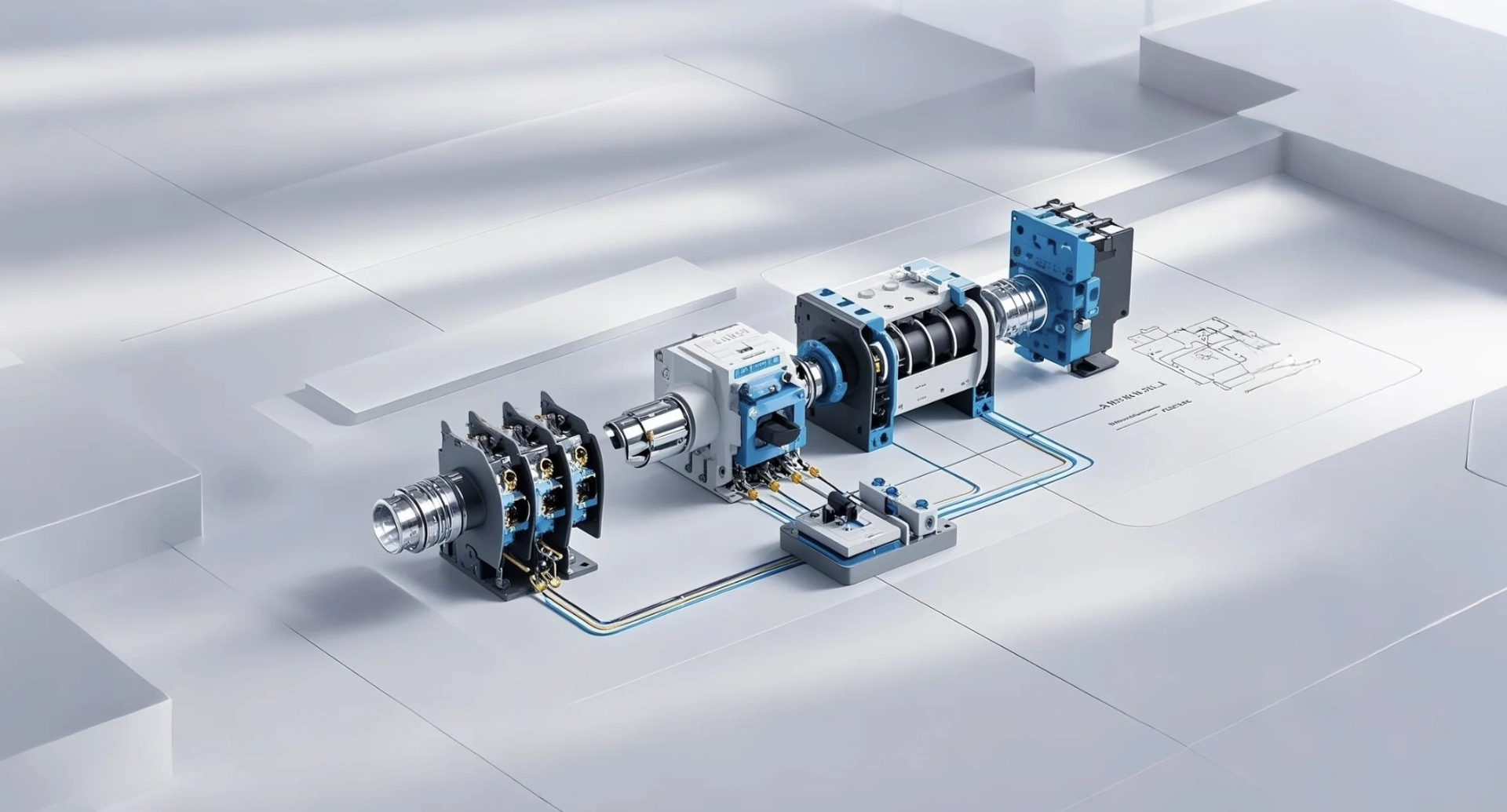
Custom Manufacturing Services are end‑to‑end, specification‑driven production offerings that transform unique customer requirements into engineered, certified, and delivered physical goods, aligned with widely adopted quality principles such as ISO 9001 quality management systems ISO. In sectors spanning custom manufacturing, distribution agency services, thermal management solutions, and electrical safety equipment, these services enable faster time‑to‑market and assured compliance for automotive programs.
 -
-
Key Attributes
Specification‑Driven and DFM
Work starts from precise customer drawings and requirements, translating into manufacturable designs through Design for Manufacturability (DFM), tolerance analysis, and material selection. Metrology and process capability are supported by national measurement standards NIST.
Integrated Multi‑Process Capability
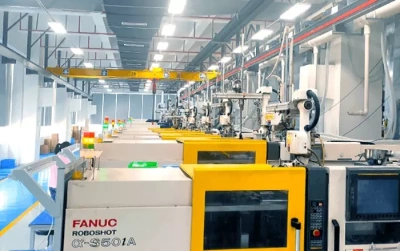
Capabilities typically span precision machining, injection molding, sheet metal fabrication, and electronics assembly, orchestrated through a unified production plan and traceable routing. Automotive product realization is guided by sector schemes such as IATF 16949 IATF and application standards from SAE International.
Compliance and Safety
Electrical safety, lockout/tagout, and equipment guarding are central to safe production environments, supported by regulatory guidance from OSHA and product standards from IEC.
Supply Integration
Distribution agency services extend manufacturing by coordinating downstream logistics, market entry, and compliance documentation—key levers for export pathways and resilient supply chains informed by global trade bodies such as the OECD.
Core Process Steps
The standard lifecycle covers requirements capture, engineering, prototyping, DFM, tooling, pilot run, PPAP (in automotive), serial production, quality assurance, and logistics handoff.
Quality frameworks (ISO 9001) and automotive APQP/PPAP practices align documentation, capability studies, and release criteria ISO IATF.
Value and Significance
Risk Reduction and Compliance
Structured validation reduces technical and regulatory risk, ensuring electrical and thermal performance meets IEC and SAE benchmarks IEC SAE.
Time‑to‑Market and Cost of Quality
Concurrent engineering and DFM compress development cycles; statistical process control and metrology lower the cost of non‑quality NIST.
Supply Chain Resilience
Distribution agency services integrate fulfillment, compliance documents, and geographic market access, contributing to resilient, diversified supply routes OECD.
Automotive Use Cases
EV Battery Pack Enclosures with Thermal Management
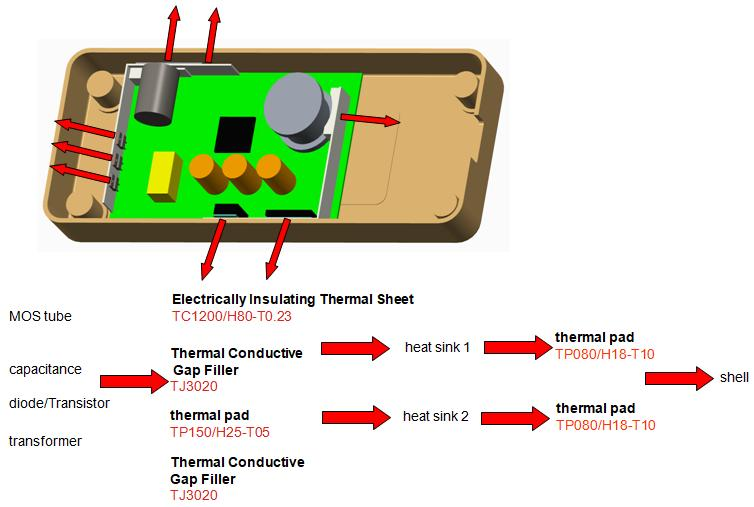
Custom fabrication of aluminum or composite enclosures with integrated thermal interfaces (TIMs), heat spreaders, and airflow paths ensures reliable heat dissipation and pack stability under dynamic loads. Performance targets and verification reference mobility norms and electrotechnical criteria SAE IEC.
Electrical safety locking procedures and testing mitigate hazards during assembly and validation OSHA. Distribution agency services coordinate regional shipments, labeling, and compliance dossiers for market launch OECD.
 -
-
Wire Harnesses and Protected Connectors
Custom overmold connectors and harnesses deliver robust insulation, strain relief, and secure mating under vibration, guided by electrotechnical standards and automotive specifications IEC SAE.
Related and Extension
To explore a specific aspect of custom manufacturing—such as DFM for thermal interfaces—start a conversation with our team: Request a manufacturing capability assessment.
In the broader manufacturing and distribution arena, 贸易复兴演示 is focused on leveraging integrated Custom Manufacturing Services, Distribution Agency Services, Thermal Management Solutions, and Electrical Safety Equipment to help automotive engineers and procurement teams adopt tailored components that meet program goals in performance, compliance, and launch readiness.
Common Questions
Q: How is custom manufacturing different from contract manufacturing?
A: Custom manufacturing centers on unique, specification‑driven builds with engineering collaboration across DFM, prototyping, and qualification; contract manufacturing often emphasizes repeat production and scaling of pre‑defined designs. Both benefit from quality management systems such as ISO 9001 that formalize process control, documentation, and continual improvement ISO.