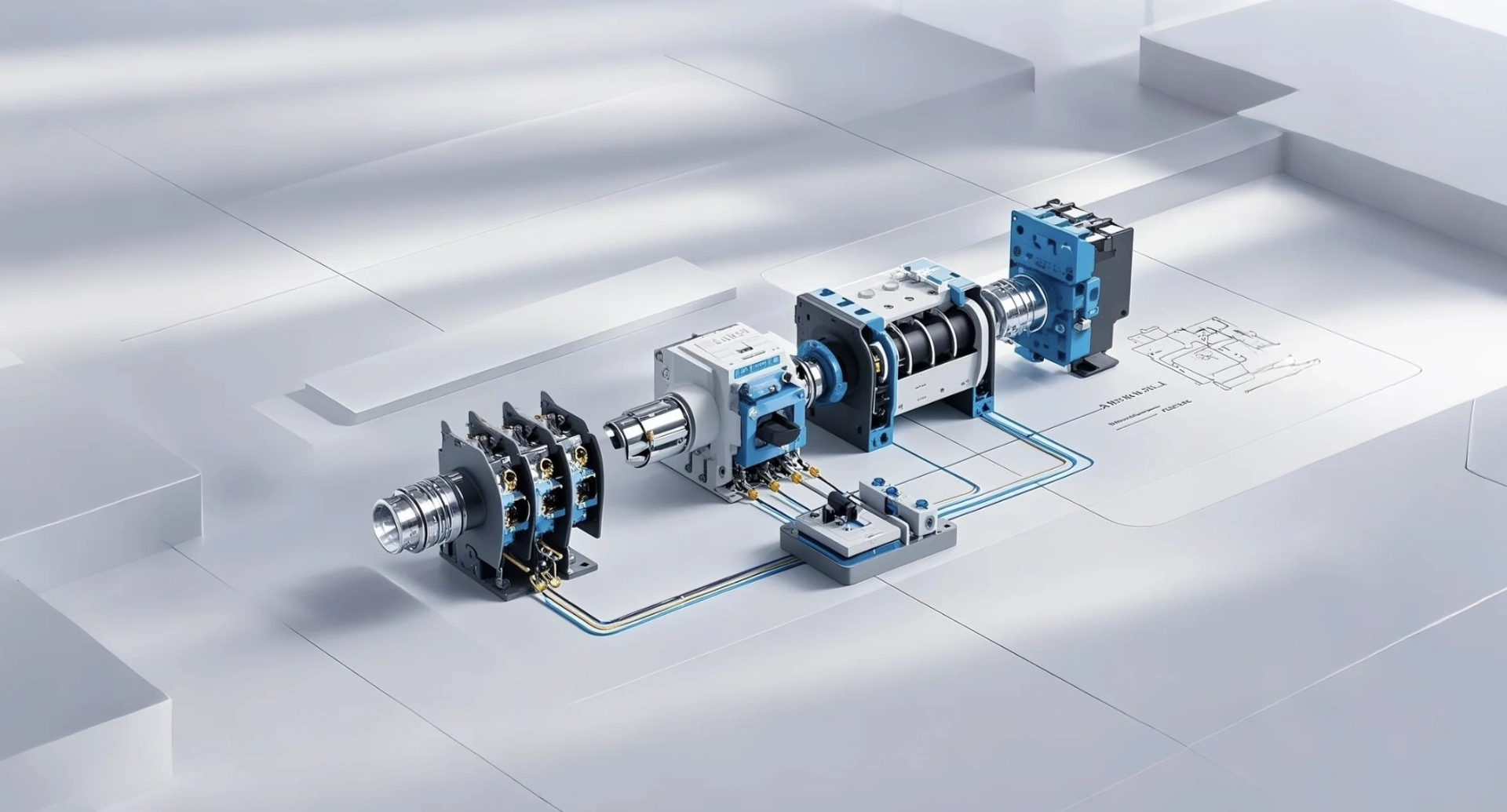
Buying from OEM/ODM manufacturing services demands rigorous supplier selection, a disciplined New Product Introduction (NPI) process, and airtight IP protection. This guide is written for engineering leaders, procurement managers, and operations directors sourcing across manufacturing services, wholesale and distribution, thermal management, security equipment, protective gear, and electronic materials. For company capabilities and solutions, visit AI Commodities.
This guide will answer critical questions like how to evaluate OEM/ODM suppliers, how to structure NPI for speed and quality, and how to protect IP while enabling commercialization. Explore product pathways at AI Commodities Products to align sourcing with category needs and timelines.
Procurement Objectives and Scope
Effective procurement in OEM/ODM manufacturing aligns business goals with engineering realities. The objective is to deliver on function, compliance, cost, and schedule—without compromising IP. This guide covers supplier evaluation criteria, NPI orchestration, IP protection mechanisms, total cost of ownership (TCO), and category-specific sourcing for thermal management modules, security devices, protective equipment, and electronic materials. To maximize leverage, target a shortlist of ≥ 3 qualified suppliers, enforce 100% NDA coverage before any disclosures, and set phased milestones from concept through market launch grounded in measurable KPIs.
Supplier Evaluation Framework for OEM/ODM Manufacturing
Selecting a manufacturing partner hinges on technical capability, quality discipline, NPI maturity, and commercial fit. Verify quality programs against ISO 9001 Quality Management, electronics workmanship to IPC standards, product safety via UL Certification, and electrical compliance aligned with IEC Standards. Beyond certifications, assess process control, DFM/DFT competency, PPAP readiness, and documentation rigor across specifications, BOM, and test plans.
| OEM/ODM Supplier Evaluation Checklist | What Good Looks Like | Evidence to Request |
|---|---|---|
| Technical capability & process depth | End-to-end DFM/DFT, tooling, SMT/assembly, testing | Process maps, line capability, first-pass yield data |
| Quality systems (ISO/IPC/UL/IEC) | Certified programs with layered audits | Certificates, audit reports, CAPA records |
| NPI maturity | Stage-gated builds (EVT/DVT/PVT) | Build plans, sample reports, control plans |
| IP protection discipline | NDA, clean-room data controls, access logs | Policy documents, signed NDAs, system controls |
| Lead time & capacity | Prototypes in 6–12 weeks; scalable capacity | Slot availability, cycle-time, capacity plans |
| Commercial fit | Transparent TCO, fair MOQ 500–5,000 units | Price breakdowns, MOQ tiers, tooling quotes |
NPI Process & Supplier Readiness

NPI converts design intent into a stable, manufacturable product. Establish stage gates for requirements, DFM reviews, pilot builds, and validation, then lock in configuration management and release to mass production. Involve manufacturing early to reduce change churn and accelerate readiness. For complex categories (thermal management, security devices, PPE, electronic materials), build risk registers for materials variability, compliance testing, and environmental performance. Refer to operations best practices and manufacturing insights from NIST Manufacturing to align process discipline with measurable outcomes.
IP Protection and Contracting for OEM/ODM
Protecting IP is foundational to OEM/ODM procurement. Enforce mutual NDAs before any disclosures, define background vs. foreground IP, and restrict use and access by role. Contracts should codify ownership, license scope (if any), protection obligations, and remedies. Tie documentation access to need-to-know and audit controls. For company-specific expertise—end-to-end guidance from concept to market, comprehensive customization, and high-standard manufacturing backed by 20+ years of technical accumulation—review About Us to understand governance and delivery maturity.
Cost Models, TCO, and Negotiation
Total cost of ownership decisions should extend beyond unit price to tooling, logistics, compliance testing, tariffs, and quality assurance. Request transparent cost breakdowns, negotiate MOQ tiers, and secure price protection clauses aligned to material indices where applicable. Aim for multi-sourced critical components to minimize supply risk and lock in service-level agreements (SLAs) for cycle times and defect rates. Highlight measurable goals such as defect escape rate ≤ 0.5%, on-time delivery ≥ 95%, and build slot adherence ≥ 98%.
| TCO Component | OEM/ODM Procurement Impact | Typical Range / Target |
|---|---|---|
| Unit price & MOQ | Cash-flow and inventory risk | MOQ 500–5,000; price scales by volume |
| Tooling & NRE | Upfront investment for molds/fixtures | 10–30% of first-year spend |
| Logistics & tariffs | Lead time, landed cost variability | Tariffs 5–25% (category-dependent) |
| Compliance testing | Safety/regulatory approvals | Budget for UL/IEC/NIOSH protocols |
| QA inspection & audits | Prevents defects and returns | 1–3% of PO value |
| After-sales/service | Warranty, returns handling | Agreed SLAs and RMA terms |
Category-Specific Sourcing Guidance
Thermal Management Services
For heat sinks, heat pipes, and thermal interface materials, prioritize thermal performance data, reliability under cycling, and compatibility with assembly processes. Validate safety and electrical performance against IEC standards, and workmanship to IPC. Ensure suppliers can customize materials, dimensions, and thickness—core to OEM/ODM excellence—backed by process capability indices (Cpk) and controlled surface finishes.
Security Equipment
For cameras, access control, and sensors, assess EMC, environmental durability, firmware quality, and data integrity. Safety certifications and compliance testing through UL and performance alignment with IEC improve market acceptance. Confirm documentation control, change management, and staged pilots to mitigate field issues. OEM/ODM partners should support packaging and logo printing customization while maintaining tamper-resistance and warrantyability.
Protective Gear
Sourcing PPE demands rigorous adherence to health and safety protocols. Reference NIOSH PPE guidance for performance criteria and fit. Require traceable materials, validated thickness and color specifications, and packaging that preserves sterility or protective function. OEM/ODM customization must not compromise compliance; enforce lot-level quality documentation and retention samples for audits.
Electronic Materials
For substrates, adhesives, resins, and encapsulants, evaluate electrical, thermal, and mechanical performance over life-cycle conditions. Standards alignment to IPC and safety requirements via UL streamline certifications. OEM/ODM flexibility across materials, dimensions, and packaging enables fit-for-purpose integration; require data sheets, process windows, and aging studies prior to mass production.
Questions to Ask an OEM/ODM Manufacturer
Use targeted questions to reveal readiness and fit: What stage-gate NPI process do you run and how do you measure readiness? How do you handle IP segregation and access control? What customization scope can you support (materials, size, thickness, color, packaging, logo printing)? What evidence do you provide for quality (audits, yields, CAPA)? How do you price and update TCO components? Tie answers to documented programs like ISO 9001 and category standards.
Frequently Asked Questions
How does your OEM/ODM service provide end-to-end guidance from concept to market success?
Our OEM/ODM solution offers guidance from concept design to market success, orchestrating the entire process so teams move from early design through manufacturing and commercialization with cohesive support.
Which customization options are available (materials, dimensions, thickness, colors, packaging, logo printing)?
We provide comprehensive customization across materials, dimensions, thickness, colors, packaging, and logo printing, enabling precise market-fit products without compromising manufacturing standards.
How does over 20 years of technical accumulation translate into high-standard manufacturing and brand competitiveness?
More than 20 years of industry technical accumulation underpins high-standard manufacturing practices and strengthens brand competitiveness, ensuring reliable quality and delivery at scale.
What differentiates your OEM/ODM approach when supporting new product introduction?
Our approach combines end-to-end guidance with broad customization and the foundation of 20+ years of technical expertise, providing practical support through design, manufacturing setup, and successful market launch.
Conclusion
High-confidence OEM/ODM procurement demands disciplined supplier evaluation, well-run NPI, and robust IP protection, supported by standards-aligned quality and transparent TCO. When you’re ready to align your sourcing with category-specific requirements and proven manufacturing maturity, explore AI Commodities and review Products to initiate your next RFQ.