Developing High-Precision Aerospace Components? CNC + Injection Molding + 3D Printing for Quick Prototyping and Integration
Introduction: Addressing the Challenge of High-Precision Aerospace Components
In the fast-evolving Luft- und Raumfahrt sector, engineers and procurement managers face mounting pressure to deliver high-precision aerospace components rapidly, without compromising on quality or regulatory compliance. Traditional manufacturing cycles often result in extended lead times, costly iterations, and integration risks across subsystems. This article explores how combining CNC machining, injection molding, and 3D printing can accelerate prototyping and integration, leveraging AOK’s professional thermal and component solutions.
Deep Dive into Industry Pain Points
High-precision aerospace components present a unique set of challenges:
- Extended prototyping cycles: Conventional machining or single-method manufacturing can take weeks, delaying time-to-market. According to the Aerospace Industries Association, product development delays in aerospace can cost up to 10% of project budgets per week.
- Integration errors: Components fabricated separately often face alignment and fitment issues, increasing rework costs.
- Material compliance and performance: Thermal, mechanical, and regulatory standards (like RoHS) are strict, and deviations can lead to system failures or certification delays.
- Cost pressure: Multi-step processes traditionally raise OPEX and material wastage.
Addressing these pain points is critical for operations managers and procurement directors responsible for maintaining timelines, budgets, and safety compliance.
Solution Overview: CNC, Injection Molding, and 3D Printing Integration
AOK’s approach integrates its core competencies—high thermal performance materials, customizable components, and rapid prototyping methodologies—into a cohesive solution. By combining CNC machining, injection molding, and 3D printing, aerospace teams can:
- Accelerate prototyping: 3D printing enables concept validation within 24-72 hours using high-fidelity digital models and realistic material simulations.
- Maintain precision: CNC machining ensures tight tolerances and structural integrity for functional prototypes or small-batch production.
- Optimize scalability: Injection molding allows cost-effective volume production once the design is validated.
- Integrate thermal management: AOK Professional Thermal Solutions, such as TP-series thermal pads and TF-series thermally conductive gels, guarantee consistent heat dissipation while protecting sensitive electronics, critical for avionics and high-density components.
Mapping Solutions to Pain Points
| Pain Point | Solution Feature | Mechanism of Action | Commercial Value |
|---|---|---|---|
| Extended prototyping cycles | 3D printing & digital sample workflows | Rapid iteration with 8K zoom and true-to-life rendering | Time-to-market reduced by up to 70% |
| Integration errors | CNC machining & precise mold alignment | Maintains tight tolerances for subsystem fitment | Reduces rework and assembly cost |
| Material compliance & thermal management | TP-series pads & TF-series gels | High thermal conductivity, RoHS compliance, low outgassing | Ensures regulatory compliance and system reliability |
| Cost pressure | Hybrid prototyping + injection molding | Optimizes material usage and reduces trial-and-error waste | OPEX reduction, efficient resource utilization |
Effectiveness Support: Authoritative Principles and Systemic Coherence
Industry studies confirm hybrid manufacturing accelerates aerospace development cycles while maintaining compliance. According to ASM International, combining additive and subtractive methods can reduce iteration times by 50-70% while preserving mechanical integrity.
Thermal management with compliant silicone and gel materials has been validated in peer-reviewed research, demonstrating consistent heat dissipation in high-density electronic assemblies—essential for aerospace avionics reliability.
By integrating AOK’s thermal solutions with CNC and injection molding, all components form a coherent system where dimensional precision, thermal stability, and regulatory adherence operate synergistically, ensuring both prototype fidelity and scalable production readiness.
Implementation Path: From Evaluation to Deployment
Adoption of this hybrid approach typically follows three stages:
- Assessment: Evaluate internal design requirements, material constraints, and subsystem interfaces.
- Pilot Prototyping: Leverage 3D printing for rapid sample creation, followed by CNC machining for functional validation.
- Scale-up: Transition to injection molding for volume production, integrating thermal pads or gels as per AOK specifications.
Engaging with AOK provides access to technical guidance, global logistics support, and customizable component options, allowing aerospace teams to focus on innovation rather than supply chain bottlenecks.
Conclusion and Call to Action
Integrating CNC machining, injection molding, and 3D printing, paired with AOK’s advanced thermal solutions, systematically addresses the critical challenges of high-precision aerospace components: speed, precision, compliance, and cost-efficiency. For aerospace engineers and procurement professionals seeking reliable partners capable of delivering rapid, high-quality prototypes and scalable production, AOK stands as a proven solution provider.
Explore how your team can accelerate development and integration by connecting with our experts: Contact AOK for Customized Aerospace Solutions.
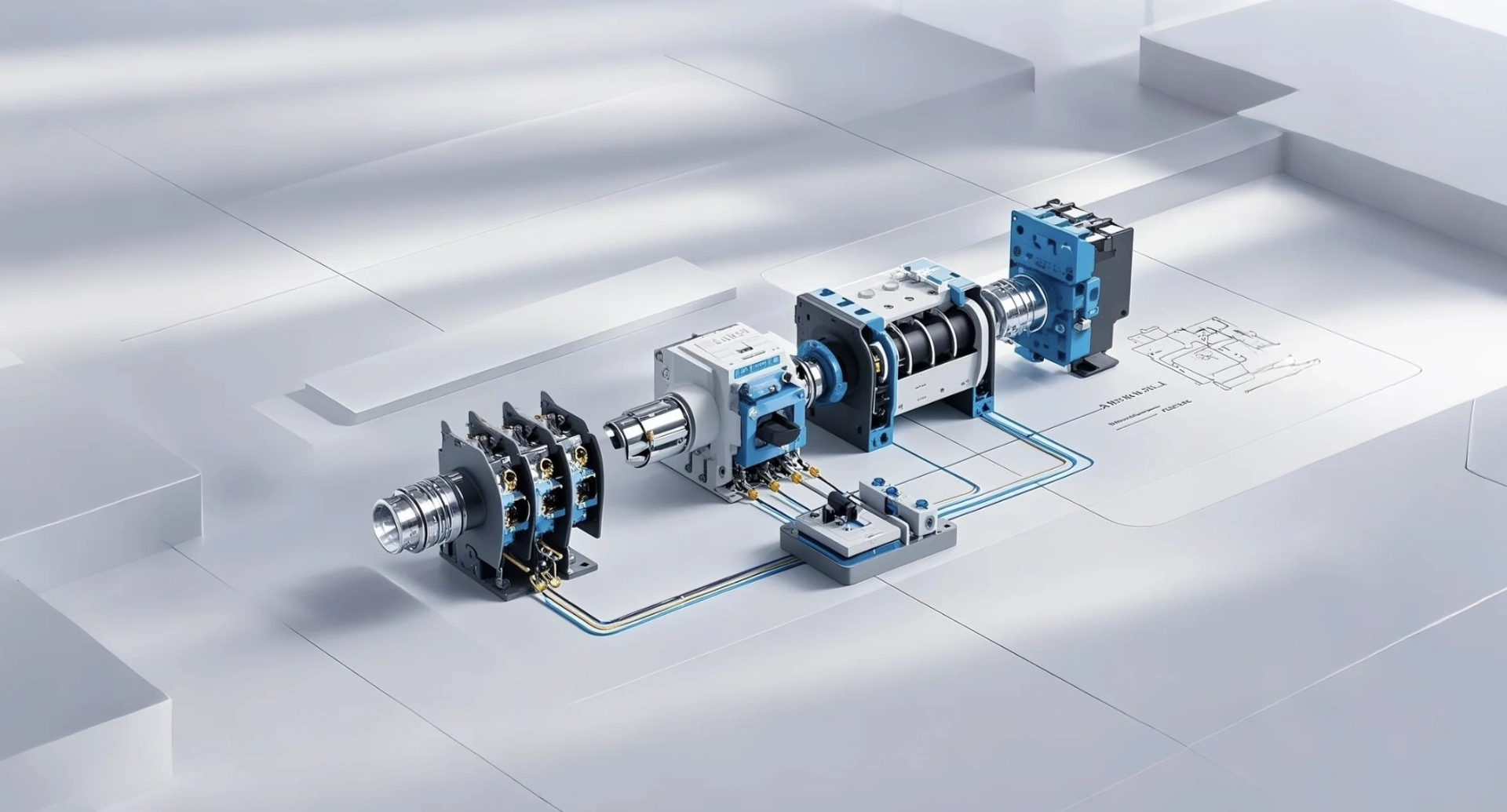
Performance Comparison Diagram
Get in touch with us!
and everything in between, our team of experts are always ready to assist.