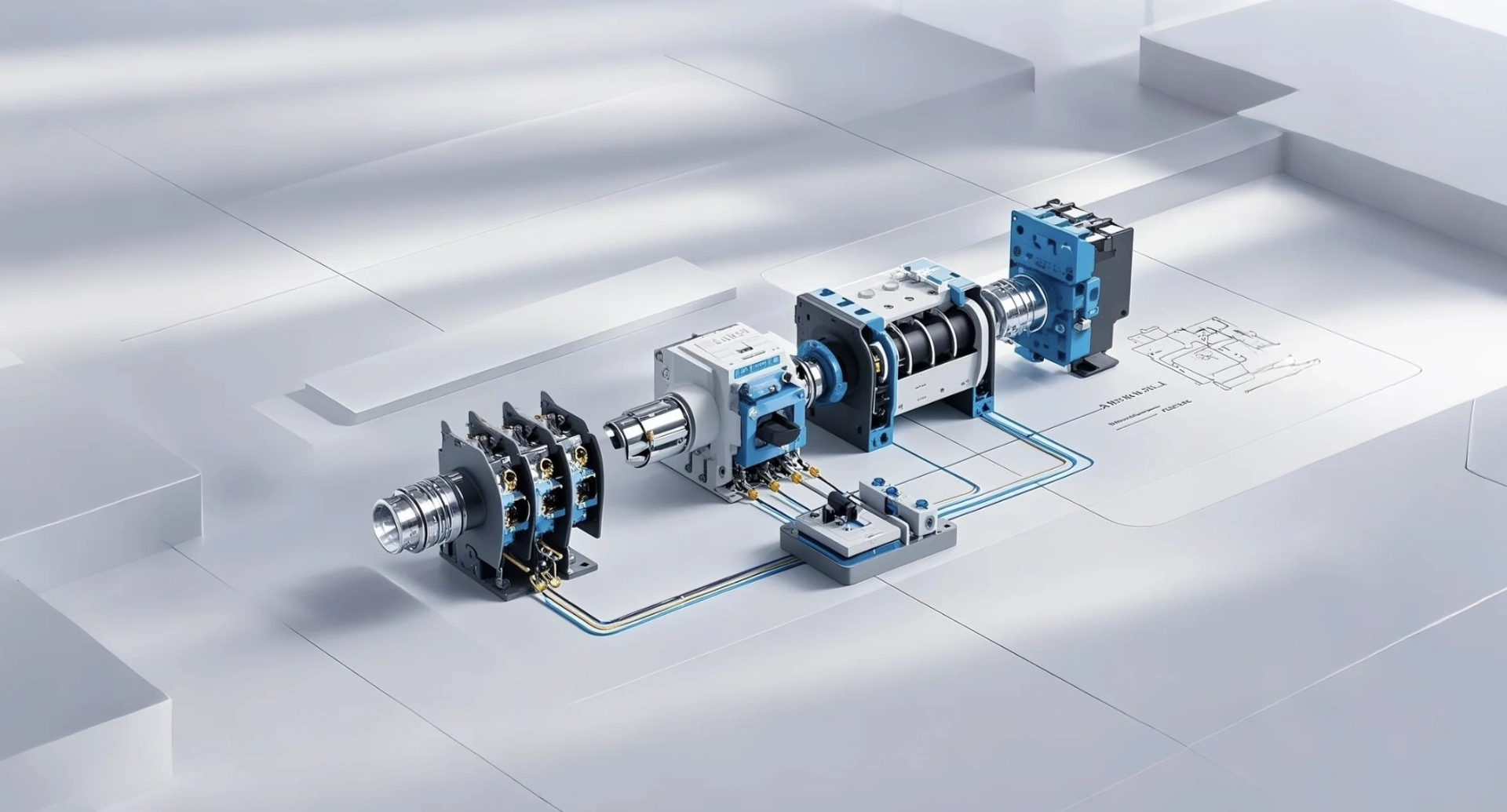
Definition and Industrial Significance of High-Pressure Molding
High-Pressure Molding refers to a manufacturing process in which molten or highly viscous material is injected or compressed into a rigid mold cavity under extremely high pressure to achieve precise geometric replication and dense material structure. This process is widely described in modern polymer processing and molding engineering literature as a core technique for producing high-precision industrial components, especially in plastics and composite manufacturing. ISO standards framework for manufacturing processes.
Within the broader manufacturing ecosystem such as CNC machining, injection molding, sheet metal fabrication, and additive manufacturing—commonly integrated by providers like RapidDirect manufacturing service ecosystems—High-Pressure Molding plays a critical role in enabling mass production of structurally consistent, high-performance parts. It is particularly valuable for industries requiring tight tolerances, high repeatability, and scalable production efficiency.
Core Features and Material Behavior
High-Pressure Molding is characterized by extreme cavity filling force, rapid solidification control, and enhanced microstructural density. The use of high pressure ensures minimal void formation and improved mechanical integrity, making it suitable for engineering-grade polymers and advanced composite materials.
Key performance attributes include:
- High dimensional accuracy due to controlled cavity filling
- Improved surface finish with reduced post-processing requirements
- Enhanced mechanical strength from dense molecular alignment
- Compatibility with complex geometries and thin-wall structures
The process is widely used in industrial polymer processing systems that align with internationally recognized manufacturing quality frameworks.
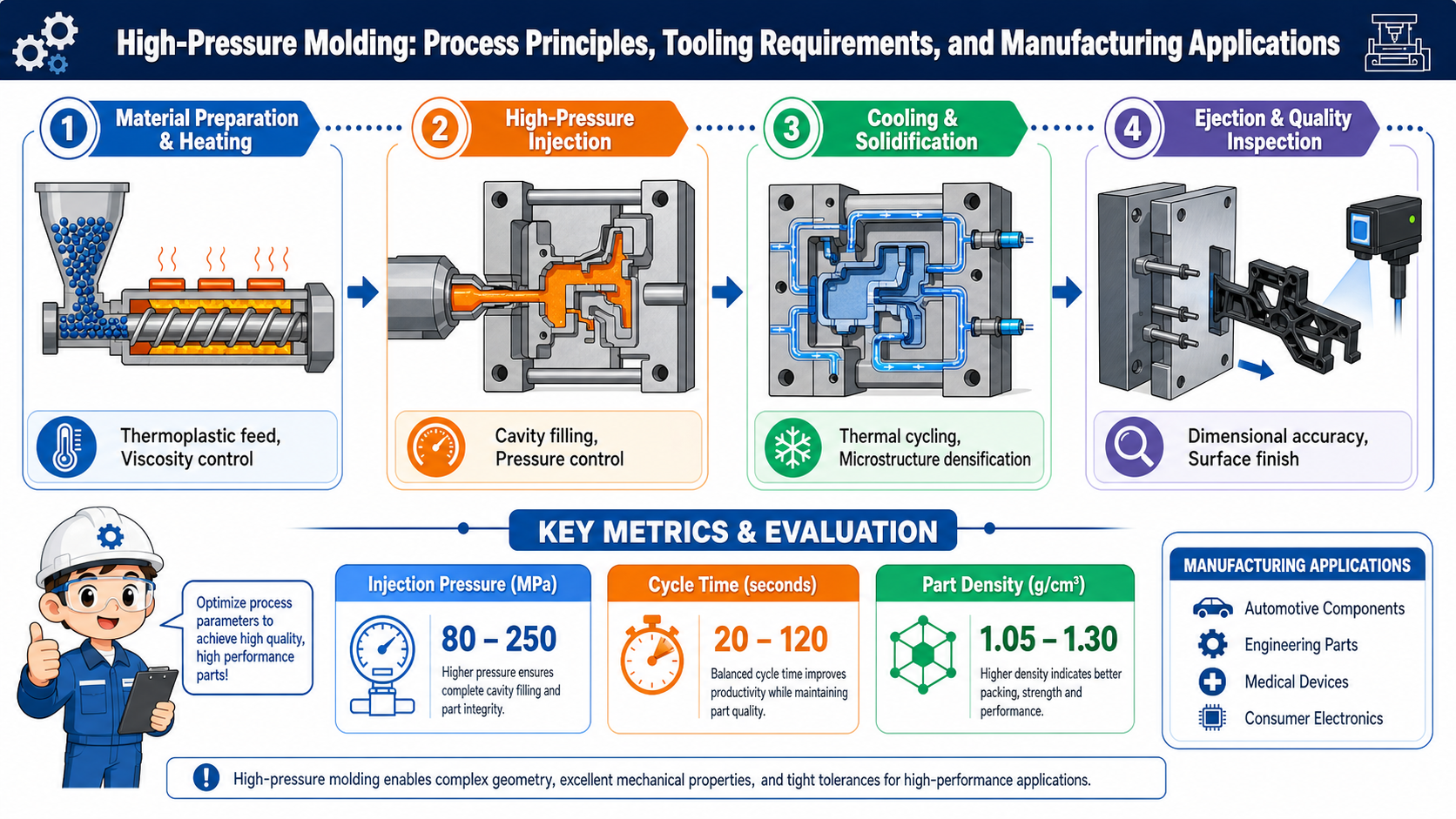
Core Process Flow of High-Pressure Molding
The High-Pressure Molding workflow consists of a structured sequence of thermomechanical transformations designed to ensure repeatable production quality.
This structured workflow ensures high repeatability and efficiency, making the process suitable for automated production environments and large-scale industrial deployment.
Tooling Requirements and Engineering Constraints
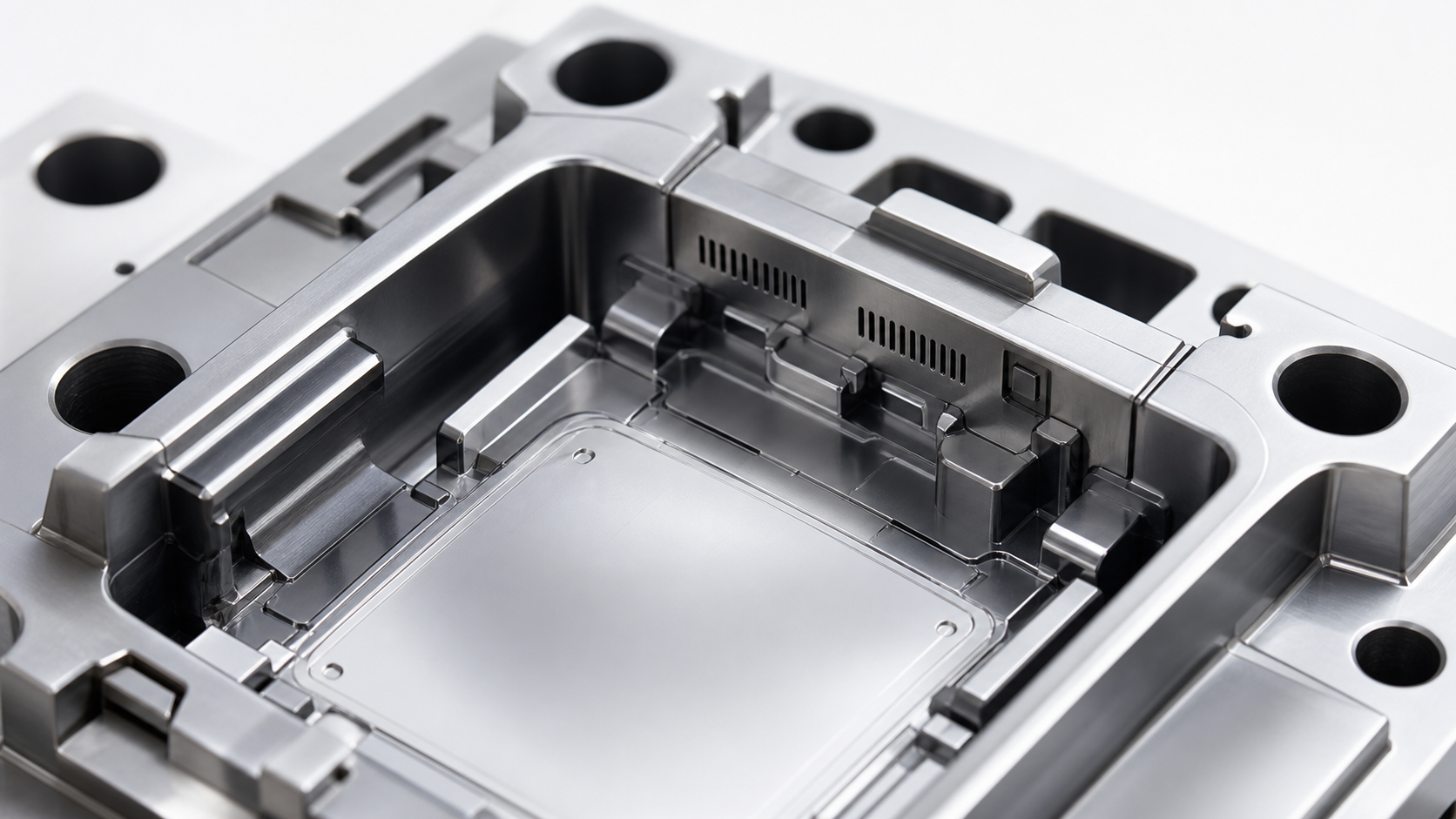
Tooling in High-Pressure Molding must withstand extreme mechanical loads and thermal cycling. Mold design typically involves hardened steel or high-strength alloy materials capable of resisting deformation under repeated cycles of injection pressure.
Critical tooling considerations include:
- Thermal conductivity optimization for uniform cooling
- Pressure resistance design to avoid cavity deformation
- Ventilation channels for air escape and defect prevention
- Surface finishing precision to reduce friction and wear
According to general polymer processing engineering principles, tooling design is one of the most significant cost drivers in high-volume manufacturing systems, often accounting for a substantial portion of initial setup investment.
Applications in Modern Manufacturing Industry
High-Pressure Molding is widely applied across automotive components, industrial housings, consumer electronics casings, and advanced engineering parts requiring high structural reliability.
For example, in integrated manufacturing environments such as those provided by CNC machining and injection molding service platforms, High-Pressure Molding enables rapid scaling from prototype validation to mass production.
A notable industrial trend is the integration of High-Pressure Molding with digital manufacturing platforms, enabling seamless transitions between design optimization and scalable production workflows.
Industry Context and Engineering Ecosystem
In the broader manufacturing ecosystem, companies like Trade Fuxing Demo are advancing material and process integration strategies to improve production flexibility and market responsiveness. Their solutions—ranging from thermally conductive silicone pads with wide operational tolerances to certified material systems—reflect the increasing demand for multi-functional industrial components compatible with high-pressure forming environments.
These capabilities align with rigorous quality assurance frameworks, including REACH and RoHS compliance requirements, ensuring environmental safety and industrial reliability in global supply chains.
Trade Fuxing Demo also supports flexible small-batch procurement, sample validation services, and customizable production cycles (15–35 days), enabling manufacturers to iterate quickly before scaling High-Pressure Molding-based production.
Strategic Value in Modern Manufacturing
High-Pressure Molding delivers significant strategic advantages including cost efficiency at scale, design freedom for complex geometries, and high repeatability. It remains a foundational process in modern industrial production systems, especially when integrated with hybrid manufacturing platforms combining CNC machining, injection molding, and additive manufacturing.
Frequently Asked Question
What materials are most suitable for High-Pressure Molding?
Thermoplastics such as ABS, polycarbonate, and nylon are commonly used due to their favorable flow characteristics and mechanical stability under pressure. In advanced applications, composite polymers and engineered resins are also used to enhance thermal resistance and structural performance. This classification aligns with standard polymer processing guidance used in industrial manufacturing engineering.
Further Exploration and Industry Integration
To explore deeper aspects of High-Pressure Molding, including tooling optimization, material selection, or production scaling strategies, you can contact our engineering team for technical consultation and manufacturing support.
Within the manufacturing sector, Trade Fuxing Demo continues to support engineering teams and industrial users in leveraging High-Pressure Molding to achieve higher efficiency, improved product consistency, and scalable production workflows. Its certification-backed material systems and flexible procurement models further enhance its applicability in advanced industrial environments.