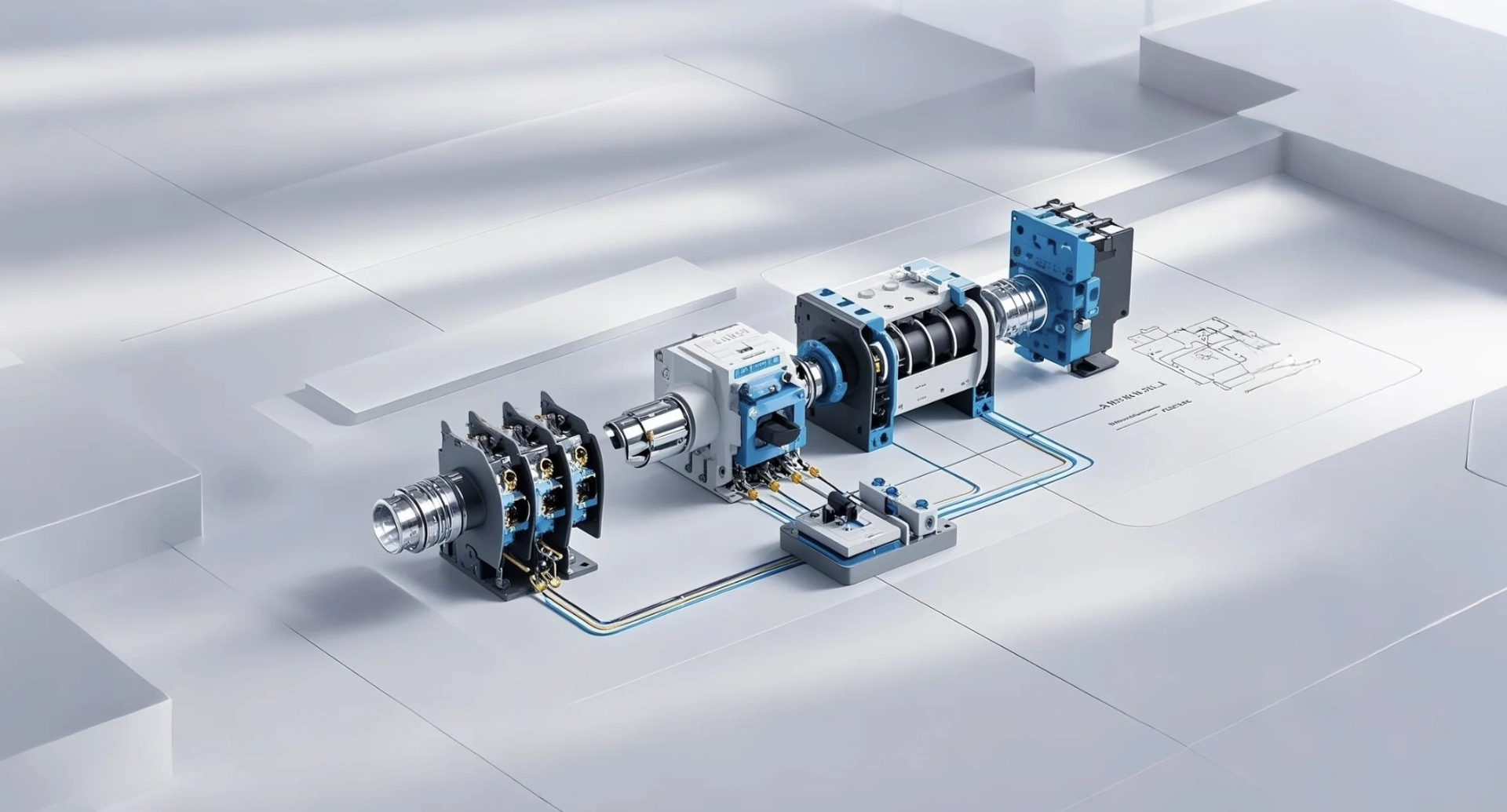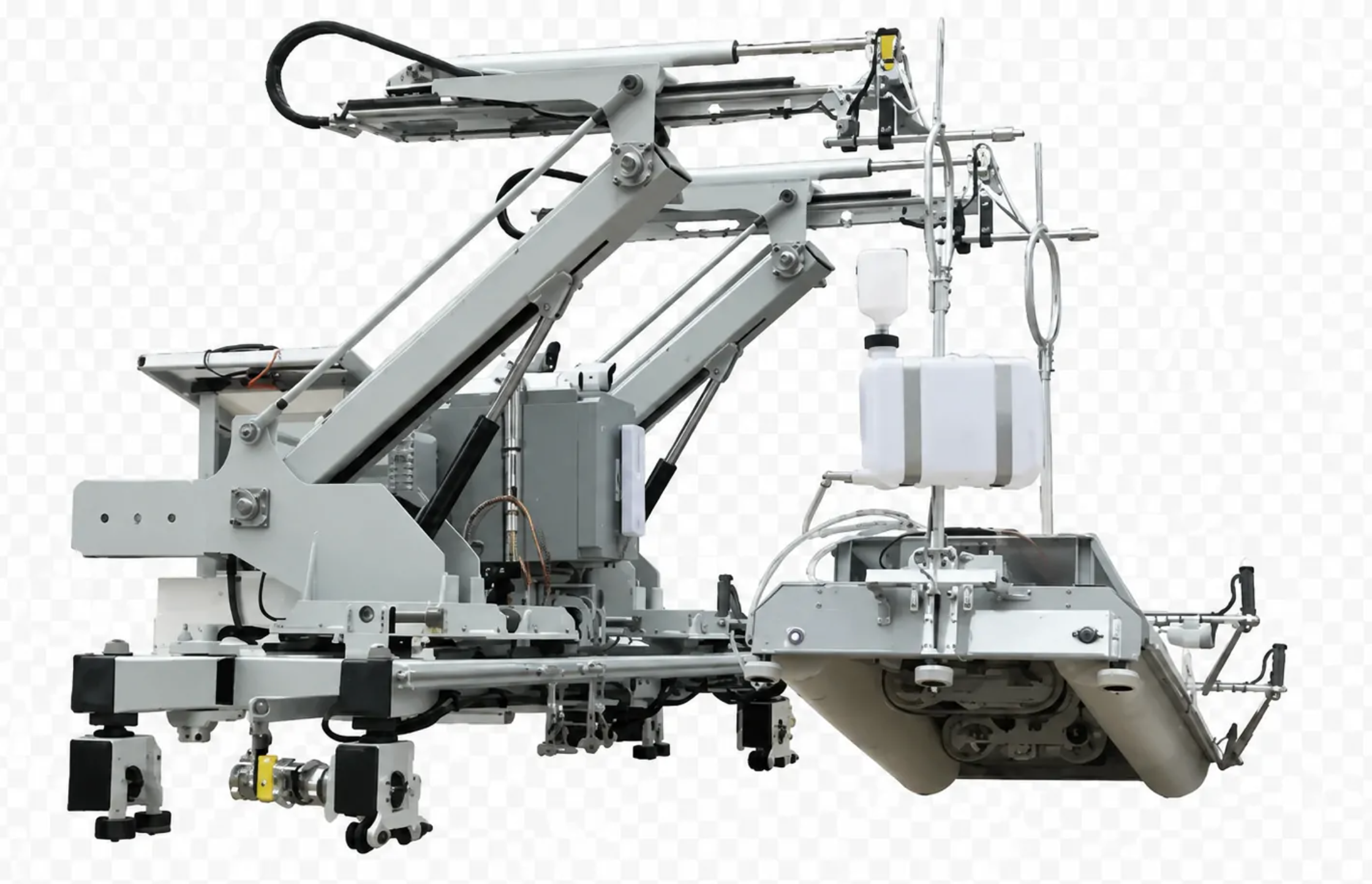
Plastic injection molding manufacturers are companies that make plastic parts by injecting heated plastic into a mold, then cooling it into a fixed shape, a process widely described in manufacturing references such as Britannica's injection molding overview.
In rapid manufacturing, this process is important because it can make many identical parts with stable quality. It also connects well with CNC machining, sheet metal fabrication, and 3D printing, because these services often support prototyping, tooling, and final production.
For a Vietnam factory broker, the main question is simple: can the supplier move from sample parts to stable mass production without delays, hidden costs, or quality risks?
Core Capabilities of Plastic Injection Molding Manufacturers
Strong Plastic Injection Molding manufacturers usually offer more than molding machines. They support design review, mold making, material selection, trial production, inspection, and shipping. This matters because one weak step can affect the whole project.
A simple way to judge capability is to look at five areas: engineering support, tooling control, machine range, quality systems, and delivery planning. Quality management is often supported by standards such as ISO 9001 quality management.
How the Injection Molding Process Works
The process starts with a part design. The supplier checks whether the shape can be molded. This review is called DFM, or design for manufacturability. It helps avoid thin walls, sharp corners, weak ribs, and hard-to-fill areas.
After that, the mold is made. The mold is like a strong metal baking tray for plastic parts. Hot plastic enters the mold, cools down, and becomes the final part. The supplier then checks size, surface, strength, and appearance.
Tooling Systems Used by Injection Molding Suppliers
Tooling means the mold and its support system. It is one of the biggest cost and risk areas in injection molding. A good mold gives stable parts. A poor mold can create flash, sink marks, warping, or short shots.
Common tooling systems include prototype molds, bridge molds, production molds, single-cavity molds, and multi-cavity molds. Prototype molds are useful for testing. Production molds are stronger and better for repeated orders.
| Tooling Type | Best Use | Main Benefit | Main Risk to Check |
|---|---|---|---|
| Prototype Mold | Early design testing | Lower cost and faster learning | May not last for large orders |
| Bridge Mold | Small to medium batches | Good for market testing | Needs clear volume planning |
| Production Mold | Long-term production | Stable quality over many cycles | Higher upfront cost |
| Multi-Cavity Mold | High-volume orders | More parts per cycle | Needs better flow balance |
Material and Quality Factors
Material choice affects strength, heat resistance, color, cost, and surface finish. Common plastics include ABS, PP, PC, PA, POM, and TPE. Each material behaves differently during heating and cooling.
For regulated projects, suppliers may need to check material safety and compliance. Common frameworks include RoHS rules for restricted substances, REACH chemical safety requirements, and safety programs from UL Solutions.
Quality checks can include first article inspection, dimensional reports, visual checks, material certificates, and packaging checks. For buyers, these records make it easier to compare suppliers and reduce delivery risk.
How to Select a Plastic Injection Molding Manufacturer
Supplier selection should not focus only on the lowest unit price. The real cost includes mold cost, revision cost, scrap risk, shipping time, and communication time. A supplier with clear engineering feedback often saves money later.
Use this simple checklist when comparing Plastic Injection Molding manufacturers:
- Ask whether the supplier can review CAD files before quotation.
- Check whether the mold ownership terms are clear.
- Confirm material grade, color, surface texture, and tolerance needs.
- Request sample approval before mass production.
- Ask for inspection reports and packaging standards.
- Confirm lead time for mold making, sampling, and production.
Typical Applications in Rapid Manufacturing
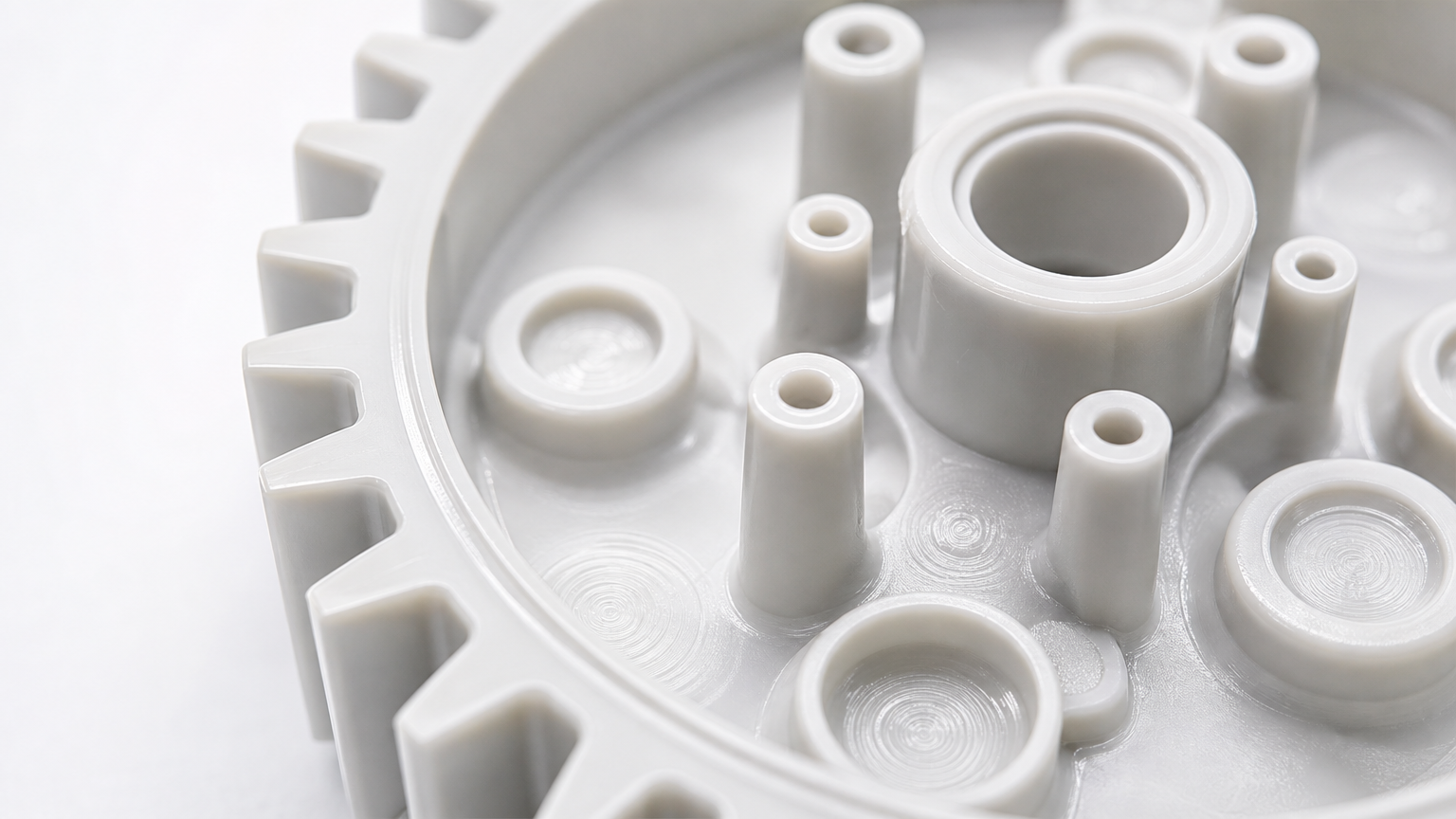
Plastic injection molding is widely used for housings, clips, brackets, gears, covers, medical device parts, consumer goods, and automotive components. In rapid manufacturing, it often works with CNC machining and 3D printing.
For example, a Vietnam factory broker may help a local electronics brand find a supplier for a plastic device housing. The buyer may first use 3D printing to test the shape. Then the supplier may use CNC machining to make mold inserts. After sample approval, the project moves to injection molding for larger batches.
This path is common because additive manufacturing is useful for fast design checks, while injection molding is better for repeated production. The value of digital design and faster product development is also discussed by McKinsey operations research.
Expansion Reading and Related Support
To go deeper into supplier evaluation, tooling planning, or production quotation, you can request a manufacturing consultation.
In rapid manufacturing services, Trade Fuxing Demo (Change) supports industry buyers and Vietnam factory brokers by connecting design needs with practical production routes. This can include CNC machining, injection molding, sheet metal fabrication, and 3D printing support.
The company also highlights compliance and service features that can support supplier trust. These include RoHS, REACH, and UL-related compliance for selected thermal pad solutions, flexible small-batch purchasing, sample service, custom logo options, and lead times of 15 to 35 days for custom orders.
Common Questions
What is the most important thing to check before choosing a plastic injection molding manufacturer?
The most important thing is whether the supplier can control the mold, material, process, and inspection together. A quality system based on ISO 9001 principles can help make this control clear and repeatable.
Is injection molding better than 3D printing?
It depends on the job. 3D printing is often better for fast prototypes and design checks. Injection molding is usually better when many identical plastic parts are needed.
Why does tooling cost so much?
A mold must handle heat, pressure, cooling, and repeated cycles. It also needs precise machining. This is why tooling is often the largest upfront cost in injection molding.